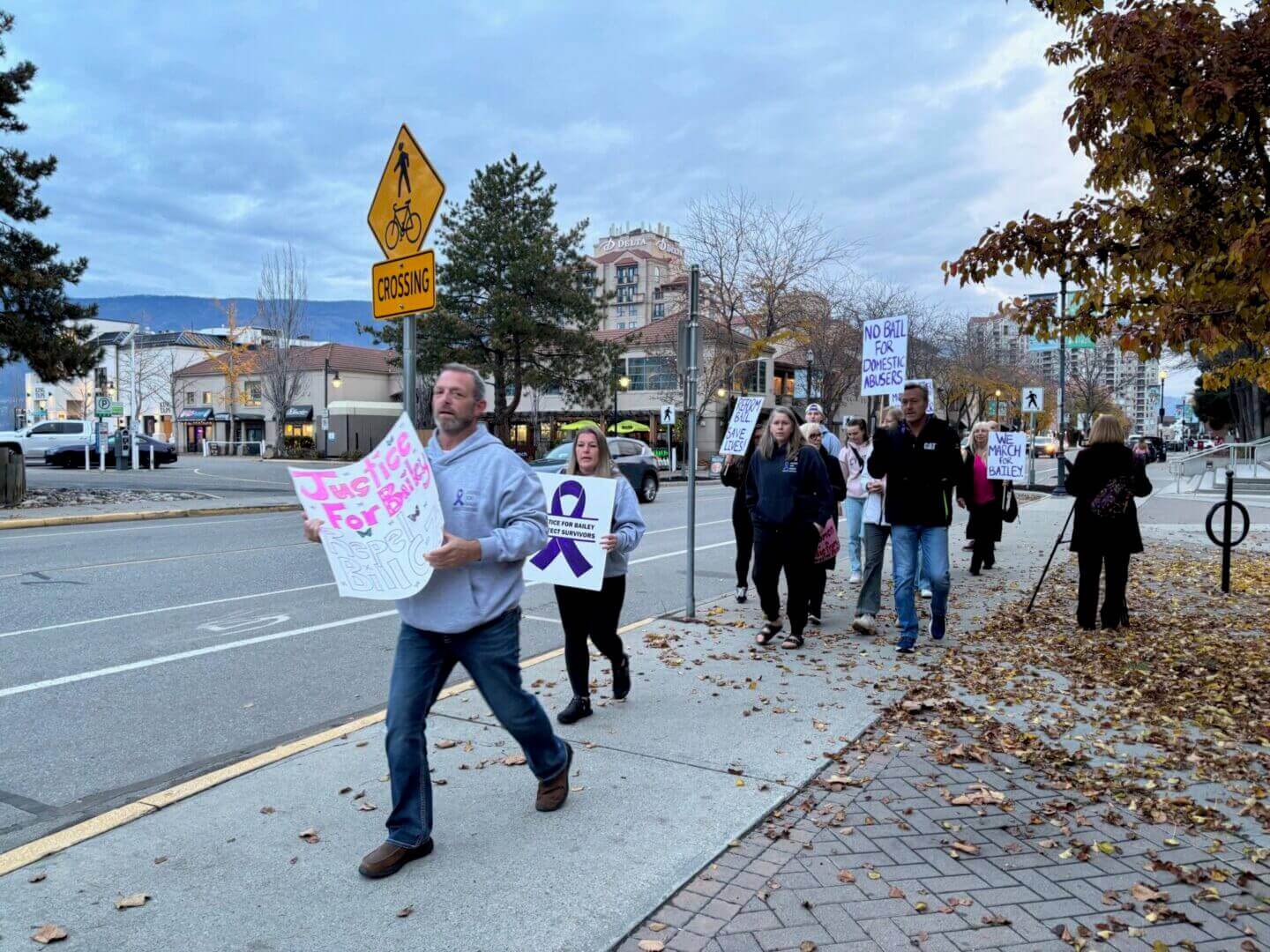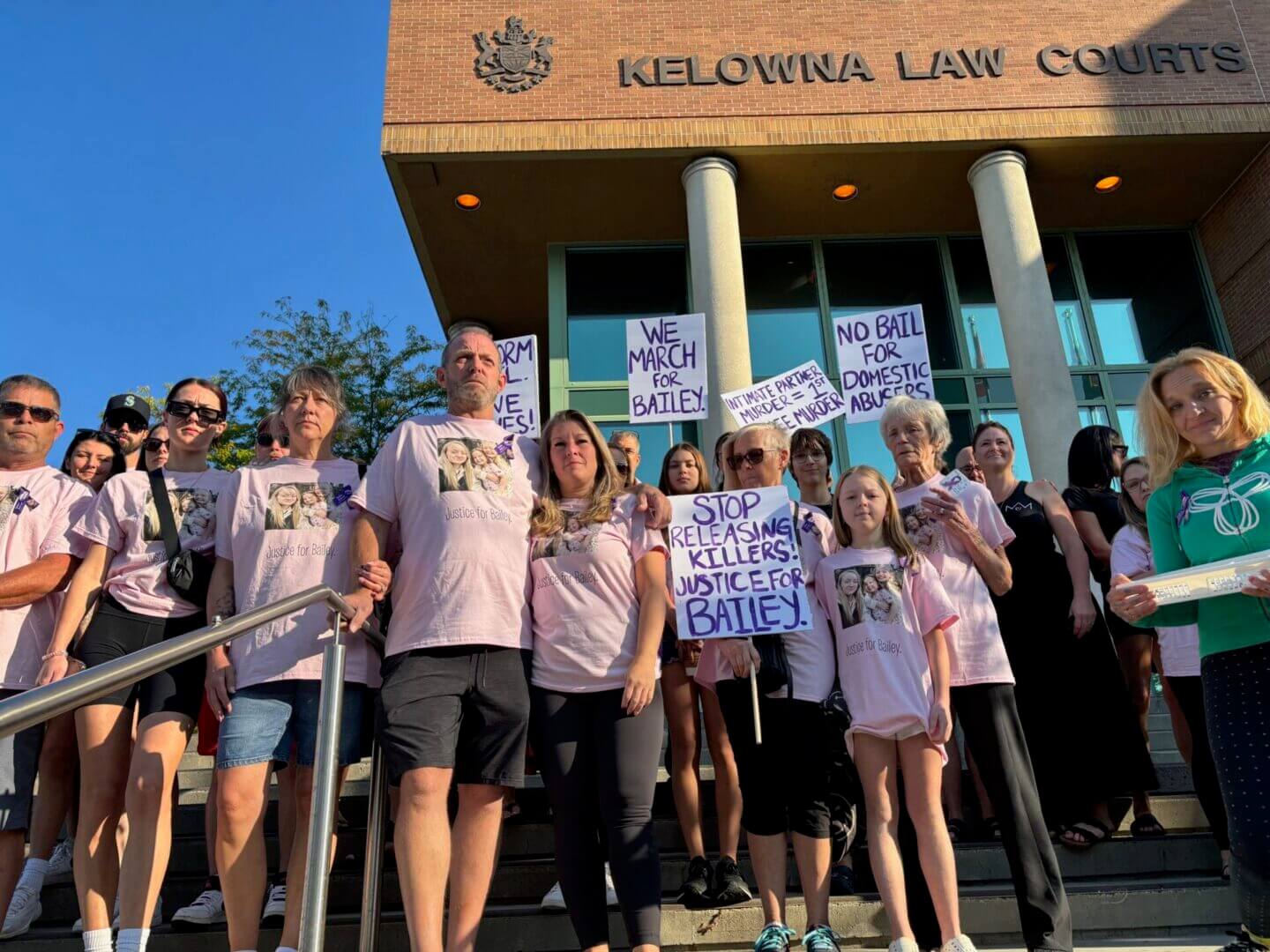
Bailey's Story
Bailey was a vibrant, kind, and deeply loved woman whose life was tragically cut short by an act of preventable violence. Her death is a devastating example of the justice system’s failure to protect victims of intimate partner violence, even after those victims have taken every legal step available to seek safety.
Bailey had previously been in a relationship with James Plover. Over the course of their relationship, James became abusive. The abuse escalated to a physical assault in which he choked her; an act widely recognized in domestic violence risk assessment as one of the strongest predictors of future homicide. In addition to choking Bailey, he threatened to take Bailey's life along with her daughters. He assaulted her while she was holding their shared two year old daughter. Bailey reported the assault to police, and James was criminally charged.
July 4th 2025, roughly a year after the assault, James Plover was found guilty of assaulting Bailey. Rather than being taken into custody following his conviction, he was released on existing bail to await sentencing, which was scheduled for September 2025. Despite his history of violence and the clear risk he posed, no conditions were imposed to ensure Bailey’s safety. He was not required to wear a GPS ankle monitor, and—critically—Bailey was not notified of the verdict and his release.
Shortly after his release that same day, James Plover tracked Bailey to her workplace. In a premeditated and brutal attack, he rammed her vehicle with his own, then exited his car and bludgeoned her to death with a hammer in broad daylight. A coworker who attempted to intervene was also violently attacked and left in serious condition.
Bailey’s murder occurred after a conviction had already been secured against her abuser—at a point where she should have been able to rely on the justice system for protection. The fact that her killer was allowed to walk free, unmonitored and unannounced, highlights the urgent need for systemic reform.
This, sadly, is not an isolated case. Across Canada, women are being killed by former or current intimate partners at an alarming rate. The justice system is failing to protect victims from known, high-risk offenders—especially in cases where there has already been a documented history of violence.
We are calling for urgent legislative and policy reform to address these ongoing failures, and to prevent future deaths.

Across Canada, women are being killed by former or current intimate partners at an alarming rate. The justice system is failing to protect victims from known, high-risk offenders—especially in cases where there has already been a documented history of violence.
In Canada, a woman is killed by her intimate partner every six days.
- In British Columbia, domestic violence accounts for approximately one-quarter of all homicides.
- In 2023, at least 184 women and girls were victims of femicide in Canada, according to the Canadian Femicide Observatory.
- Over 60% of femicide victims had reported their abuser to police before they were killed.
- Non-fatal strangulation is present in 43% of domestic homicide cases.
These numbers are not just statistics. They are lives lost. Bailey’s story illustrates a pattern: the legal system identifies a threat, documents abuse, yet fails to protect the victim from the ultimate act of violence.